1 September 2026 · 5 min read · By McKenna Starck
From Trondheim to the world stage: this is my sound
Sixteen years in Copenhagen, stages across the world, and eventually a return to where it started. Along the way, the rooms changed, the collaborations multiplied, and the music kept finding new places to go.
- Music
- Arts & Culture
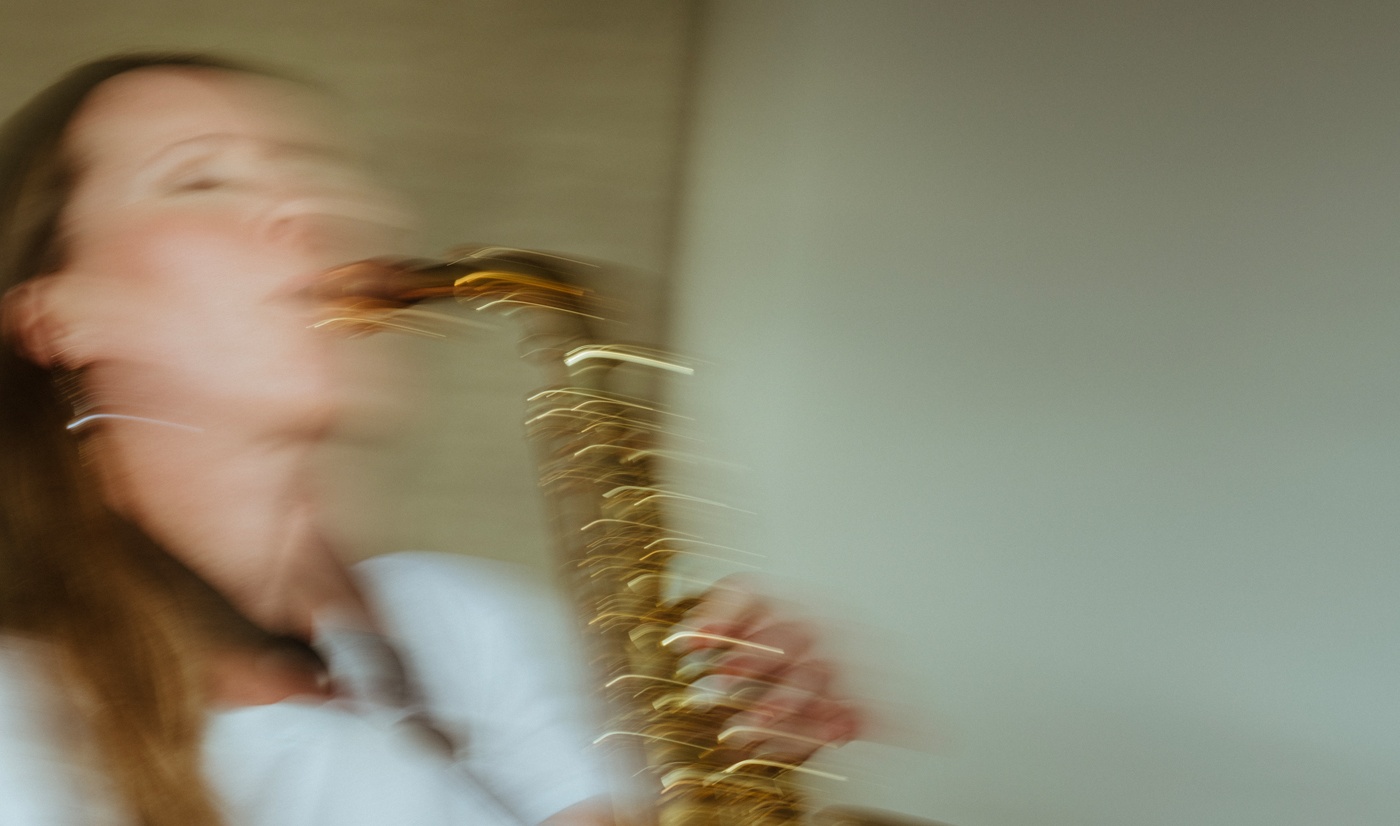
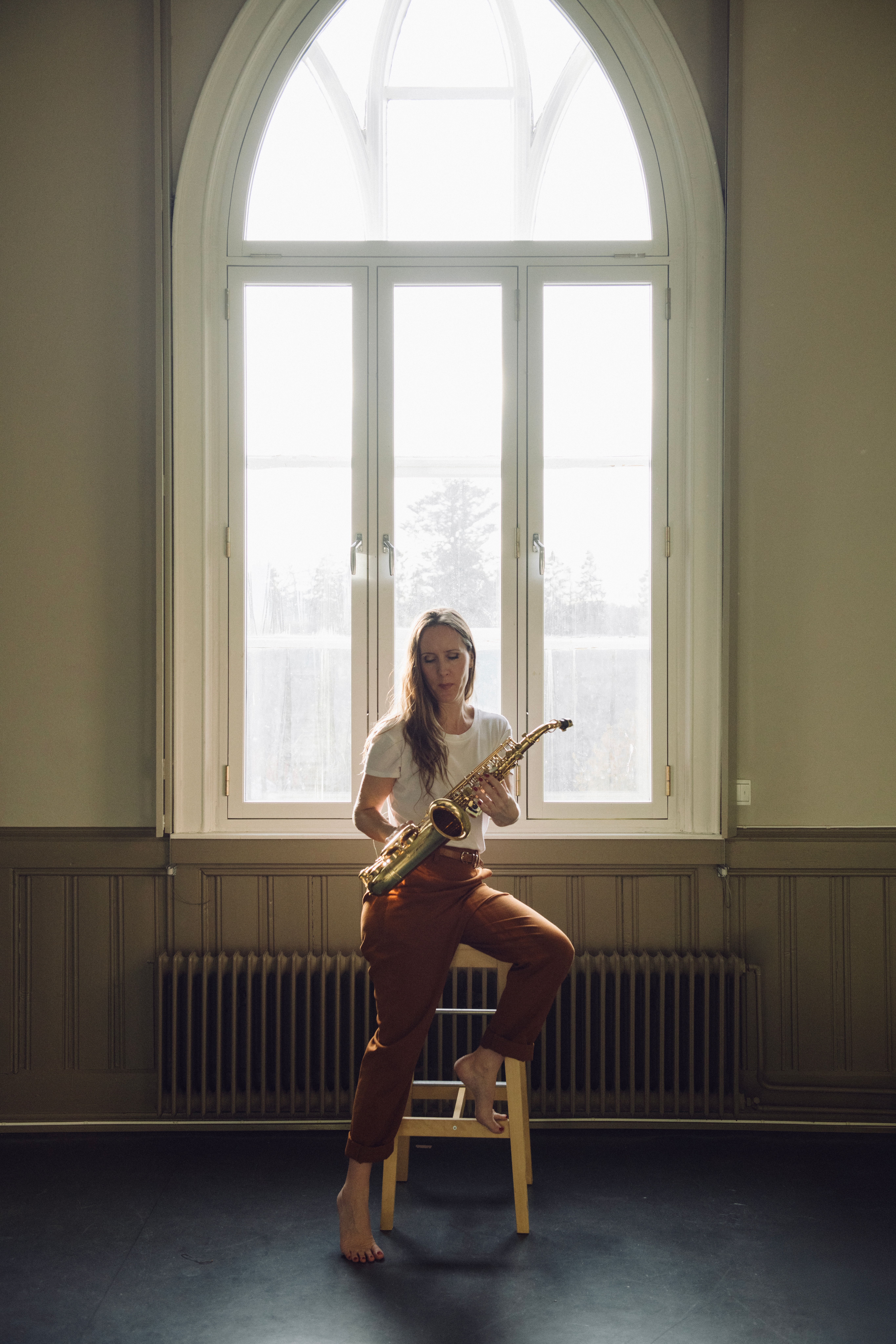
Sissel Vera Pettersen. Photo: Nikol Herec
At first, there is almost nothing to see.
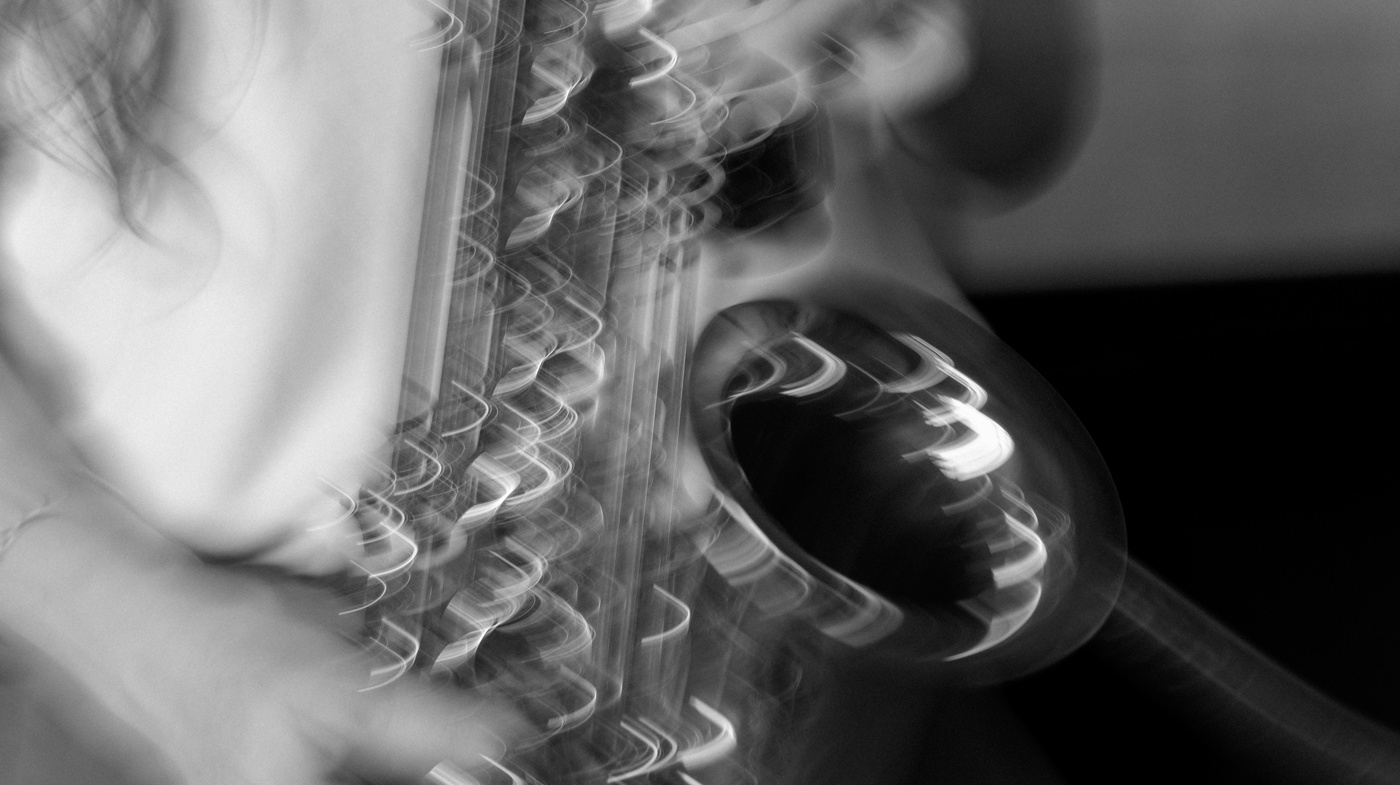
You step into Salamandernatten, the installation by Trondheim artist Kjell Erik Killi-Olsen, and the room disappears around you. Slowly, as your eyes adjust, parts of the work begin to surface from the dark. Somewhere inside it, a saxophone enters, then a voice, then electronics, each sound finding its place before you have fully worked out where it is coming from.
The person shaping all of it is Sissel Vera Pettersen,
moving between saxophone, voice and electronics in a performance that unfolds entirely through improvisation. For two hours, she performs inside the installation rather than simply playing in front of it, letting the room, the darkness and the sound fold into one another. It is the kind of setting that suits her.
Her work has never stayed particularly obedient to one form. Alongside music, she has moved through contemporary dance, theater and visual art, following ideas wherever they seem to work best. She has spent the last 25 years touring, collaborating and working across different musical worlds, but there is very little about the way she speaks about music that suggests she is interested in fitting neatly inside one of them. The important thing is what happens when there is enough room to follow an instinct somewhere less obvious.
“The most important thing in my music is freedom and space to color it with my own personality.”
That same pull toward freedom is part of what makes Trondheim interesting to her. She studied here, spent 16 years based in Copenhagen, traveled widely, and eventually came back to a city where the music scene is unusually close without feeling closed. Jazz, classical, folk, new music, pop and rock sit near enough to keep crossing into one another, and the musicians do the same. People know each other, bring each other into projects, and make things that might not have happened in a city where everyone stayed more politely in their own corner.
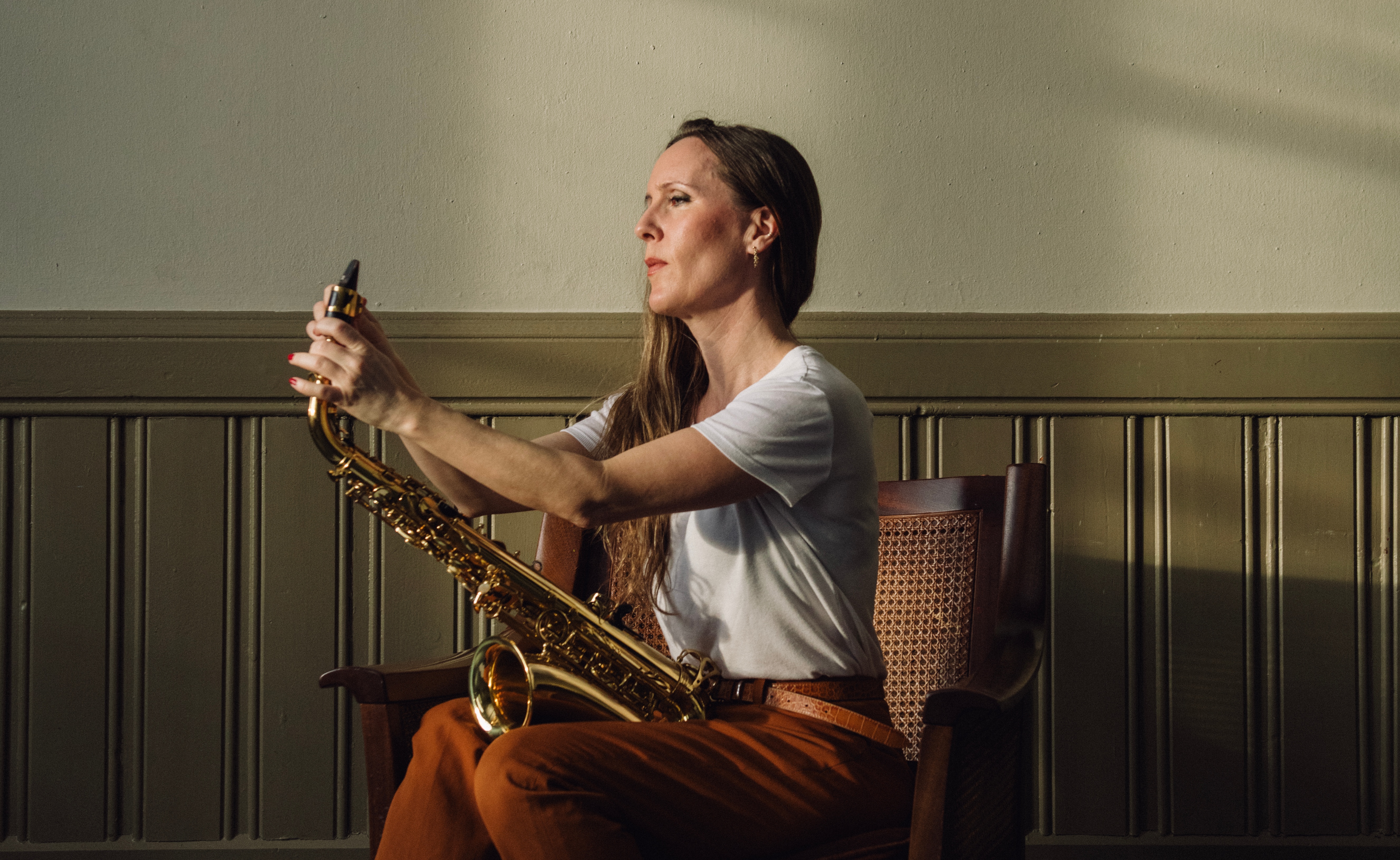
Sissel Vera Pettersen. Photo: Nikol Herec
Two branches of the same tree
Music was there before Sissel Vera ever had to decide what to do with it. Her mother taught piano, her father played guitar, and sound was simply part of the house she grew up in. What came later was less about choosing one instrument over another than finding the forms that felt most like her.
“For me, the saxophone and my voice are two branches of the same tree. They’re deeply connected.”
You can hear that relationship in the way she works. The saxophone is never quite separate from the voice, and the voice does not sit neatly beside it. They lean into each other, trade places, sometimes feel like extensions of the same impulse. Electronics widen the edges, improvisation keeps things loose, and the whole thing is given enough room to become something before it has to be named.
That freedom is less a philosophy than a working method. Leave enough space, follow what feels alive, and make sure the final thing still sounds unmistakably like you.
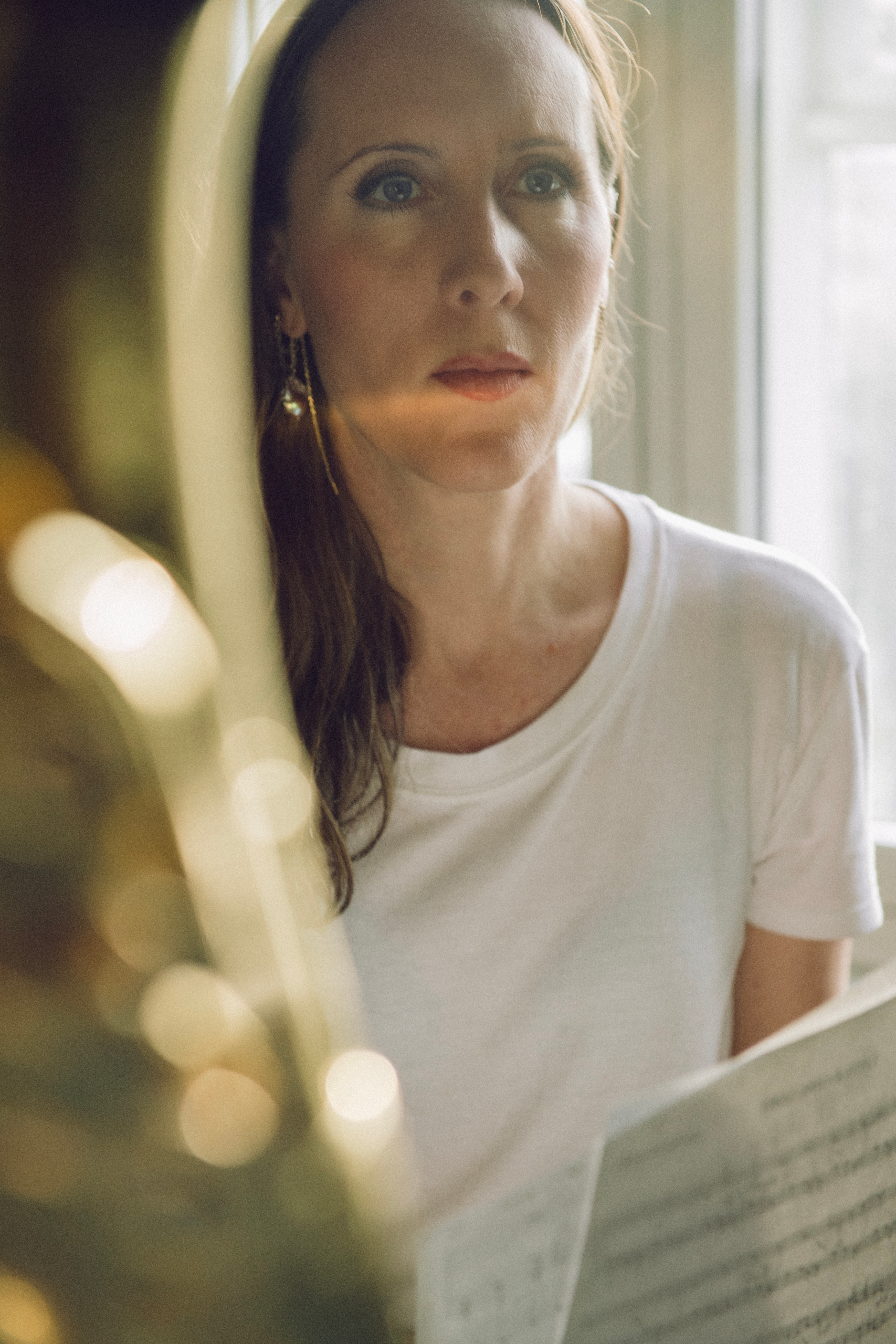
Sissel Vera Pettersen. Photo: Nikol Herec
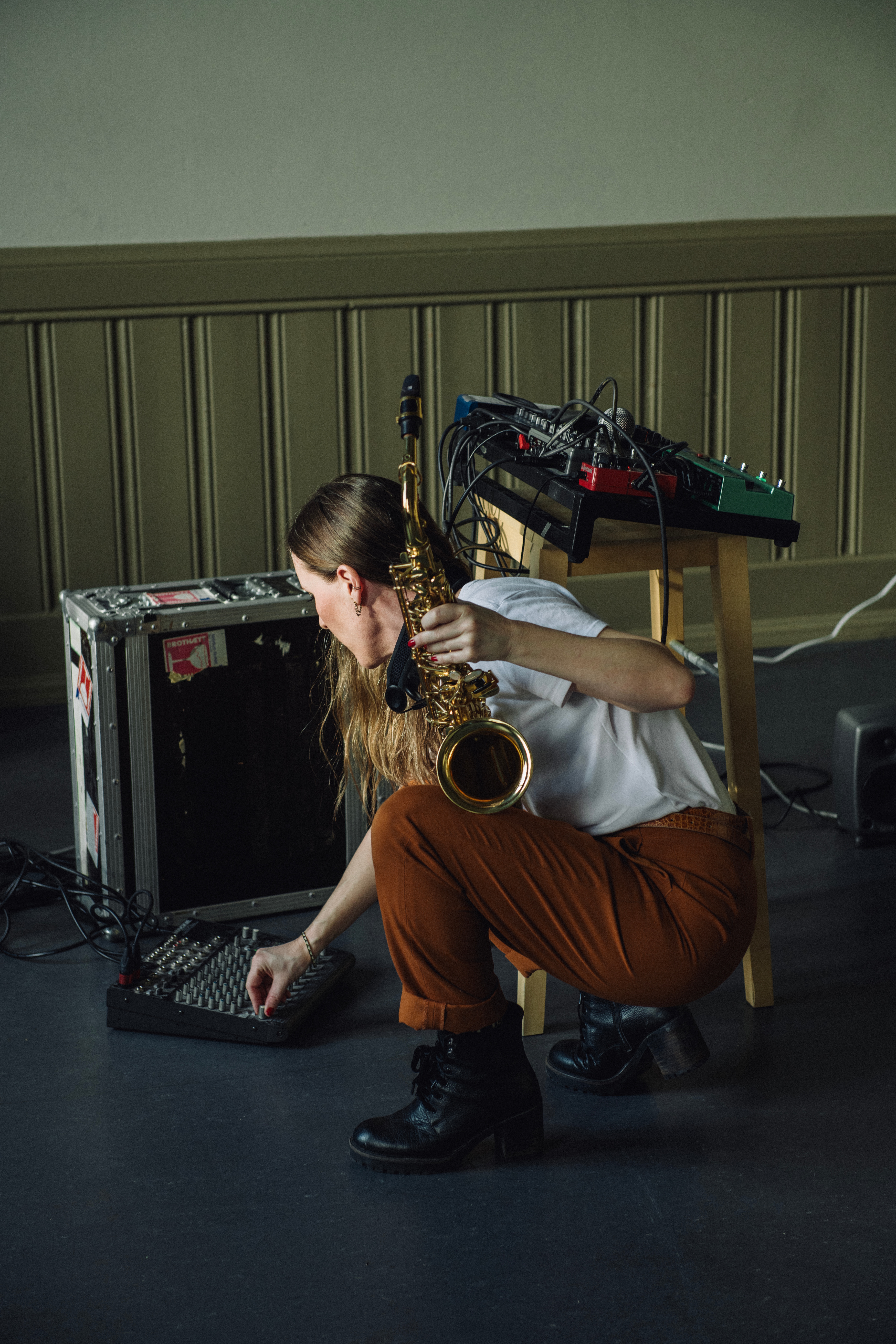
Sissel Vera Pettersen. Photo: Nikol Herec
Sissel Vera Pettersen. Photo: Nikol Herec
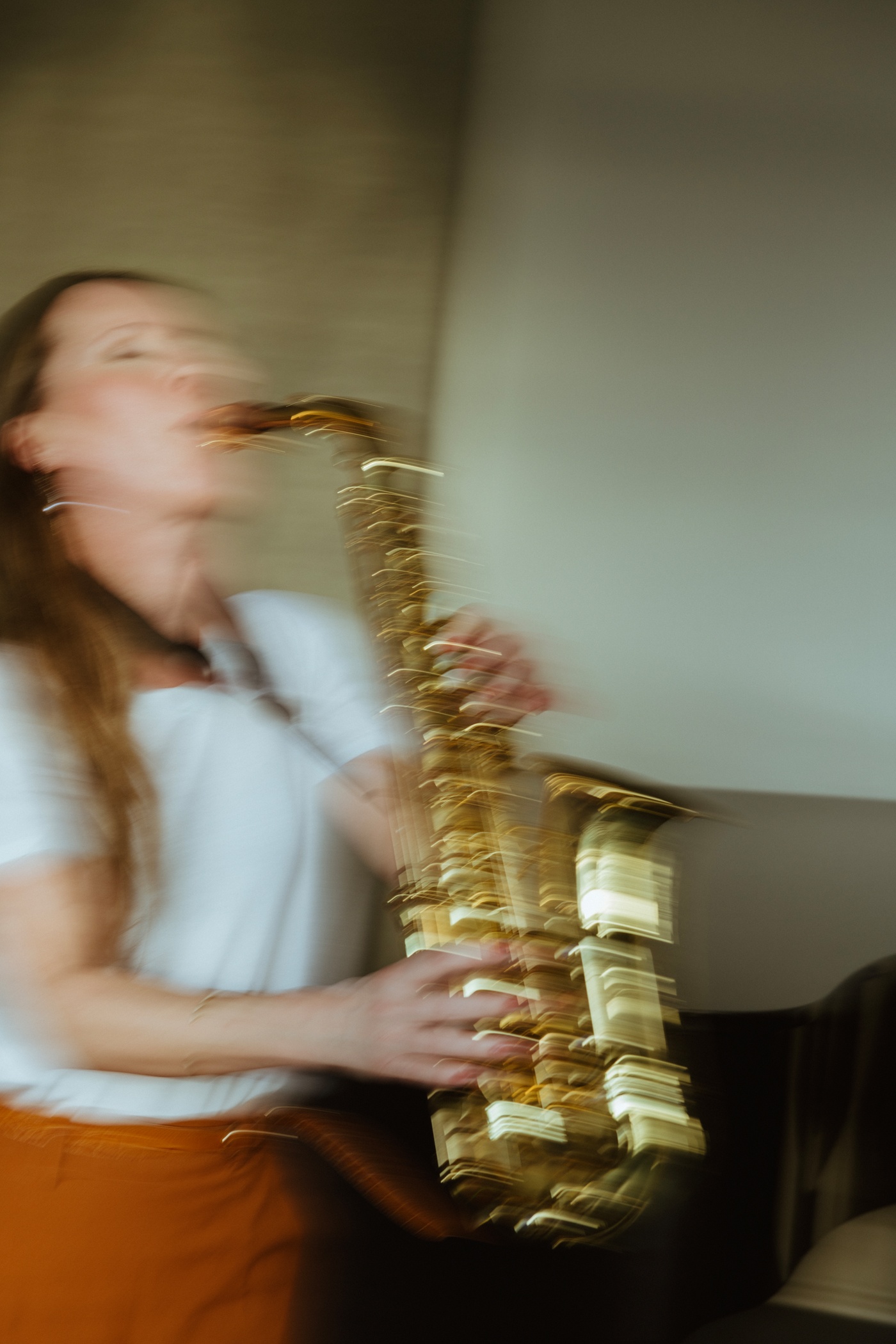
Sissel Vera Pettersen. Photo: Nikol Herec
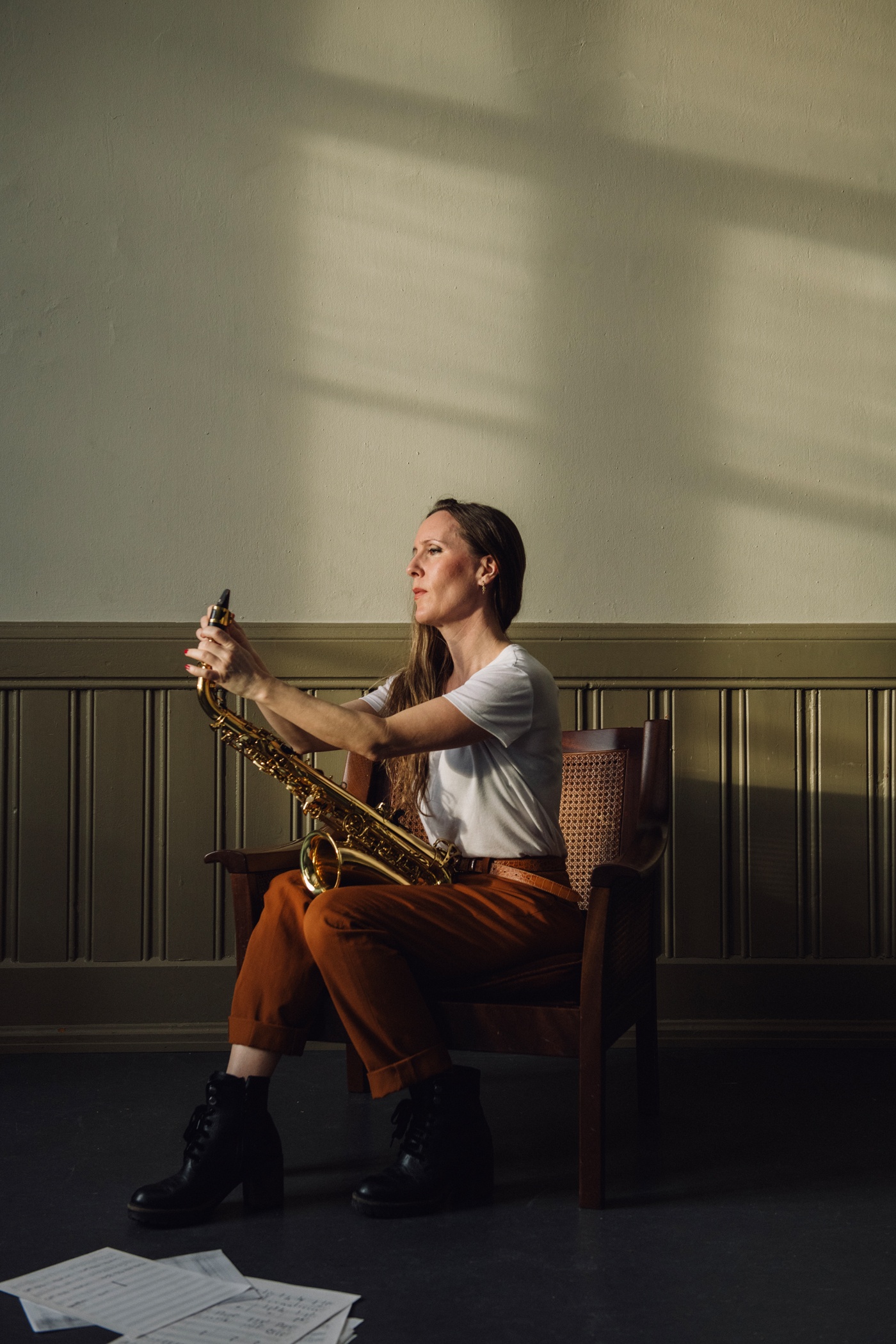
Sissel Vera Pettersen. Photo: Nikol Herec
It gets interesting when things overlap
According to Sissel Vera, part of Trondheim’s musical pull starts with the conservatory, NTNU’s jazz program, which has been here since 1979 and has long had one foot in Trondheim and the other in the international jazz scene. It brings in some of Norway’s strongest jazz students, and enough of them decide to stay that the scene keeps quietly feeding itself. Then there is everything around it: classical musicians, composers, experimental artists, folk, rock. Here, those worlds rarely stay in their own corners for long.
“Trondheim has an incredibly vibrant music scene because of the conservatory. We attract some of Norway’s best jazz students, and many of them choose to stay.”
The real character of the scene starts to show in the spaces between those categories.
“What makes it special here is how everything connects: classical, jazz, folk, new music, pop, and rock all blend together.” People know what each other are making. They get pulled into projects, borrow from one another, hear something interesting and follow it. There is very little ceremony around the crossover. It happens because everyone is close enough for it to happen, and because nobody seems particularly interested in keeping things pure.
“In the music community here, we collaborate, inspire each other, and create something unique. It’s a small city, but it never feels too small.”
That closeness leaves its mark, but never quite in the same way twice.




Bringing it home
Sissel Vera has spent much of the last 25 years moving between cities, stages and collaborations, but some of the moments that have stayed with her most happened much closer to home.
“I’ve been lucky to tour the world and work on incredible projects, but some of my most memorable moments have happened right here in Trondheim.”
One of them was with Chick Corea and the Trondheim Jazz Orchestra. After years of touring together, with the collaboration reaching stages from Tokyo to New York, the project came back to Olavshallen, carrying all that distance with it and landing somewhere much more personal. “Playing with Chick Corea and the Trondheim Jazz Orchestra at Olavshallen was a special experience.”
What Sissel Vera remembers most is not simply who was on stage, but what passed between it and the audience. “Bringing that project home and feeling the collective pride from the audience was unforgettable.” There is something about returning with work that has traveled, then watching it mean something slightly different once it is home. For a moment, the size of the stage mattered less than the feeling in the room.
Sissel Vera Pettersen. Photo: Nikol Herec
“Here, it’s not about mimicking others. It’s about finding your own voice.”
- Sissel Vera Pettersen
Take in the sound. Create your own signal
For Sissel Vera, being surrounded by other musicians does not mean losing the edges of your own sound. If anything, the opposite. She describes a scene full of strong personalities, where inspiration moves easily between people, ideas pass back and forth, and there is still an expectation that you bring something unmistakably your own to the room.
That instinct runs through the way she talks about music in general. What you hear matters. What you absorb matters. But the interesting part is what happens after that, when it has had time to move through you and come out changed. Her own work lives somewhere between saxophone, voice, electronics and improvisation, with enough space left around it for instinct to stay intact.
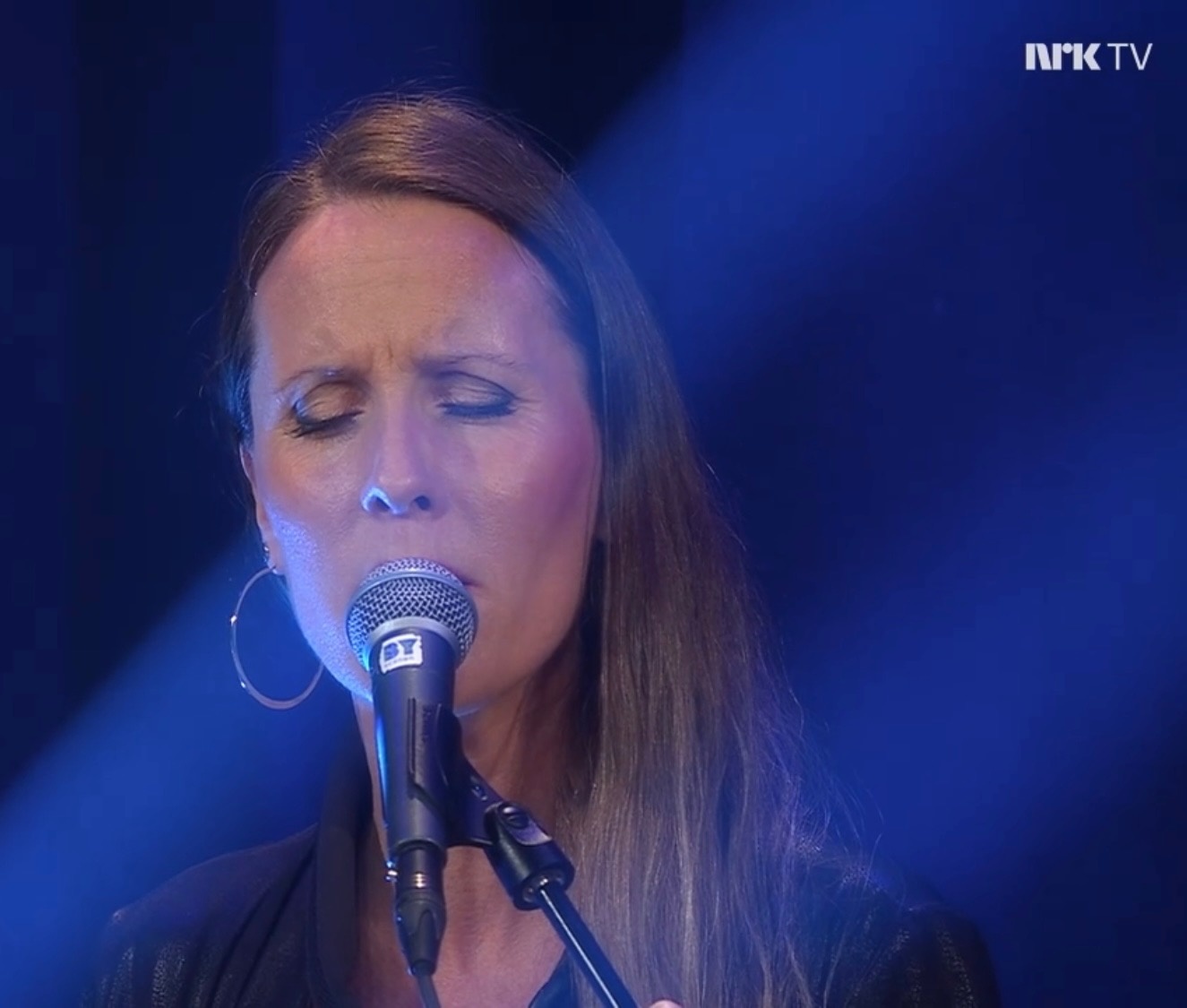
She is still finding new ways to play with that idea. This summer, Fluctuations, a new work she composed for Trondheim Voices, premiered at Moldejazz. Built around individual voices moving inside something collective, each singer is given room to color the sound in their own way. Different signals, same piece.
She recognizes the same thing in the musicians around her. Different references, different personalities, different ways of hearing the same room. The influence is shared. What each person makes of it is not.
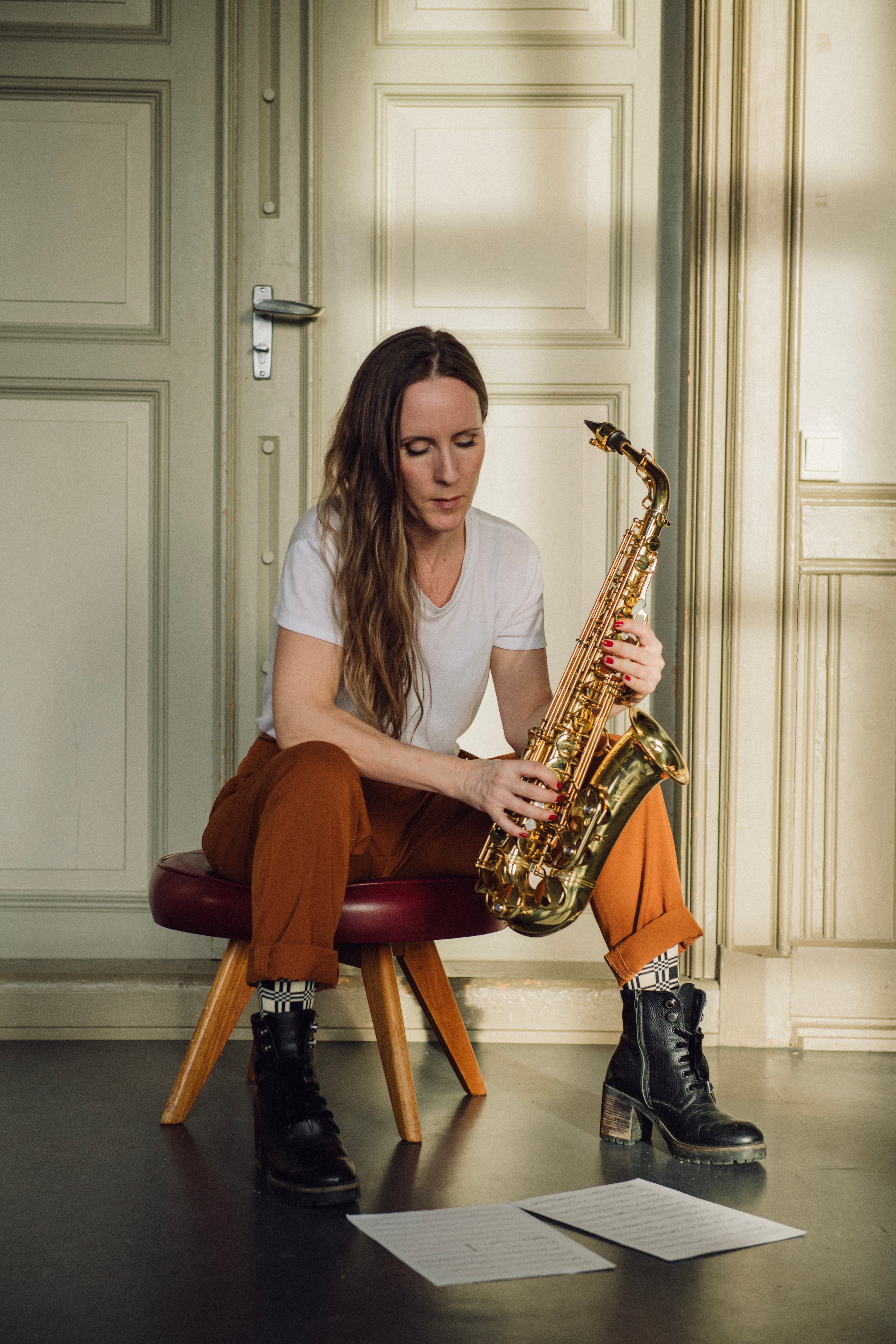
Sissel Vera Pettersen. Photo: Nikol Herec
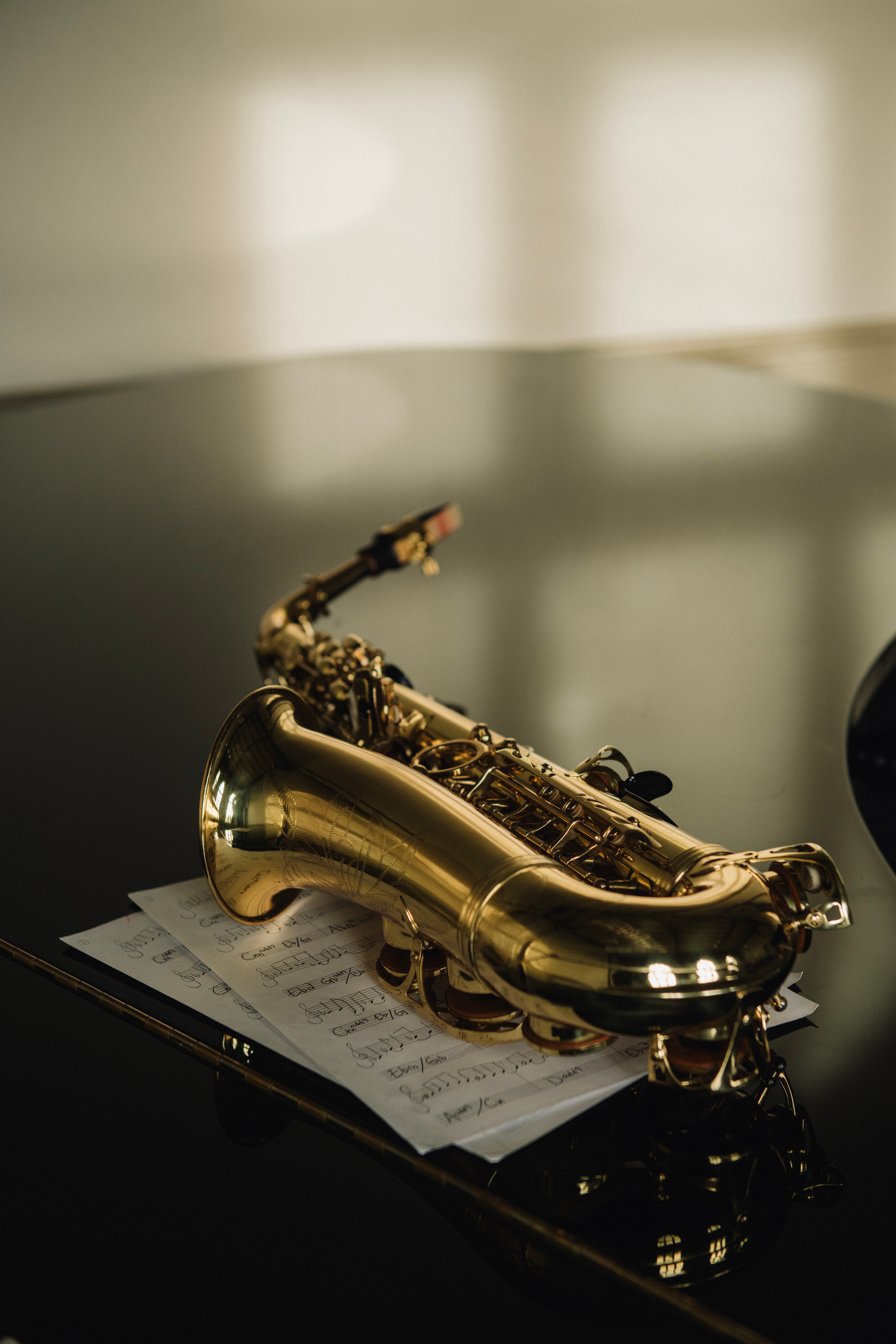
Sissel Vera's saxophone. Photo: Nikol Herec
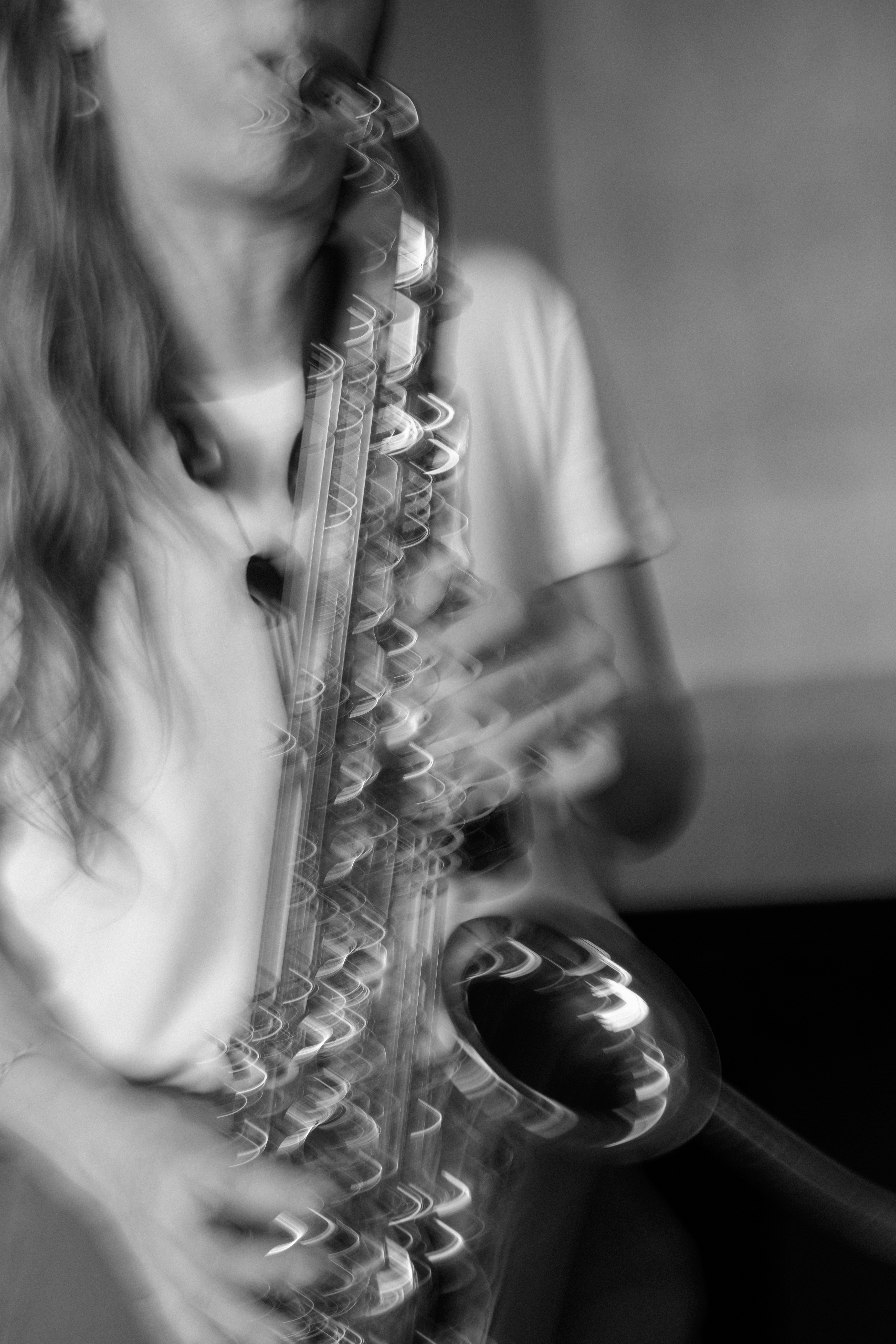
Sissel Vera Pettersen. Photo: Nikol Herec
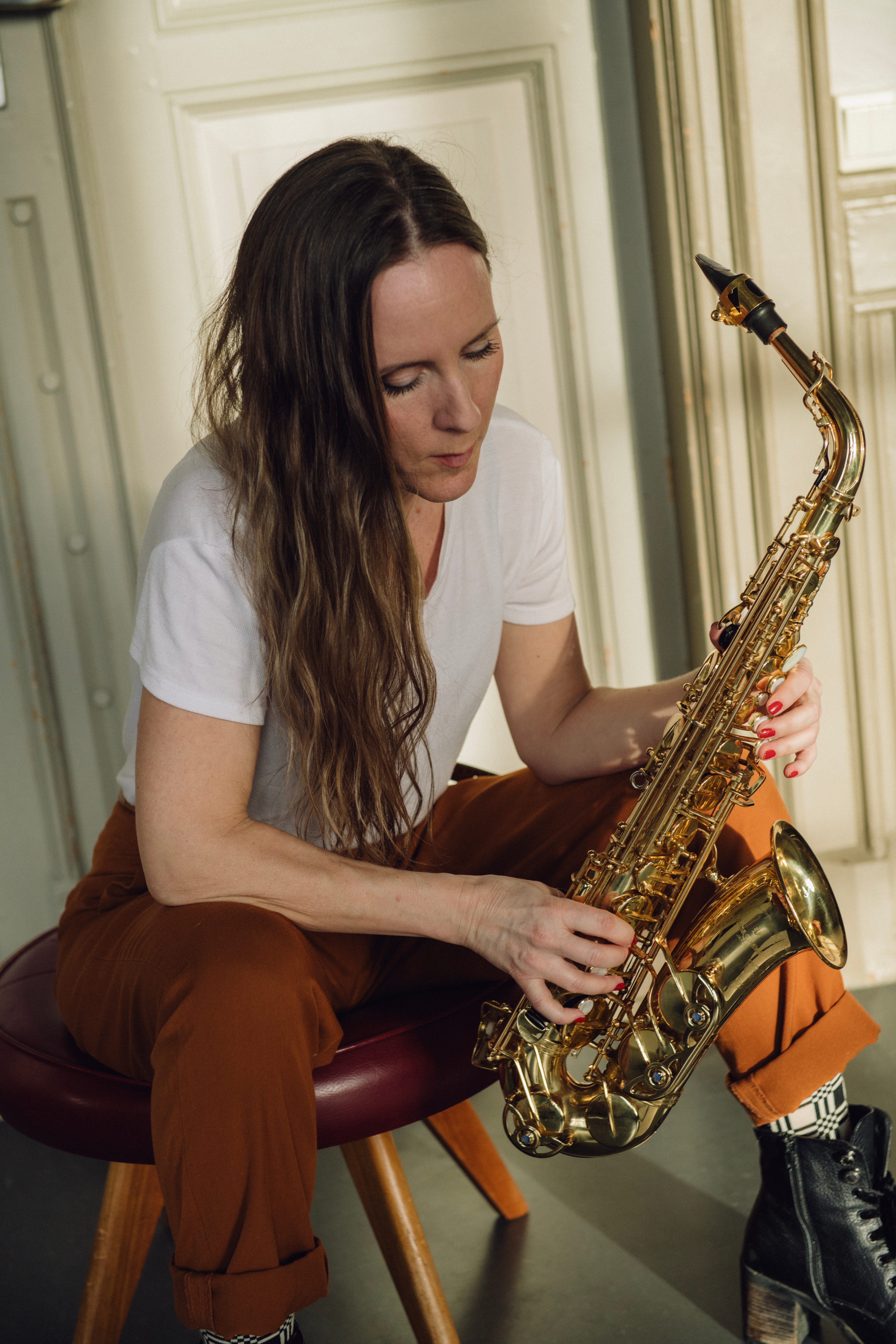
Sissel Vera Pettersen. Photo: Nikol Herec
The sound carries
Sissel Vera has spent enough time moving between stages and cities to notice when a place has traveled ahead of her. “I’m really proud of being part of the music community in Trondheim. Very often, when I travel around the world to play concerts, people know about this city. The jazz community here especially is really well known and highly respected in the musical world.”
She has carried plenty of that music outward herself. Alongside her own projects and collaborations, Sissel Vera spent nine years as artistic director of Trondheim Voices, an experimental vocal ensemble built around improvisation, live electronics and an unusually elastic idea of what the human voice can do. It is territory that feels naturally hers: somewhere between composition and instinct, familiar forms and whatever happens when you give them a little more room.
After 25 years, the rooms keep changing. So do the people in them, the instruments, the possibilities. Sissel Vera seems happiest leaving some part of that unresolved. Enough structure to begin. Enough freedom to follow what appears. And somewhere in between, a sound that could only really belong to her.

Author's profile
McKenna Starck
Trondheim Brand Manager
McKenna works with the development of Trondheim’s city brand and Trondheim.com, with a focus on brand strategy, content and the overall digital experience.